
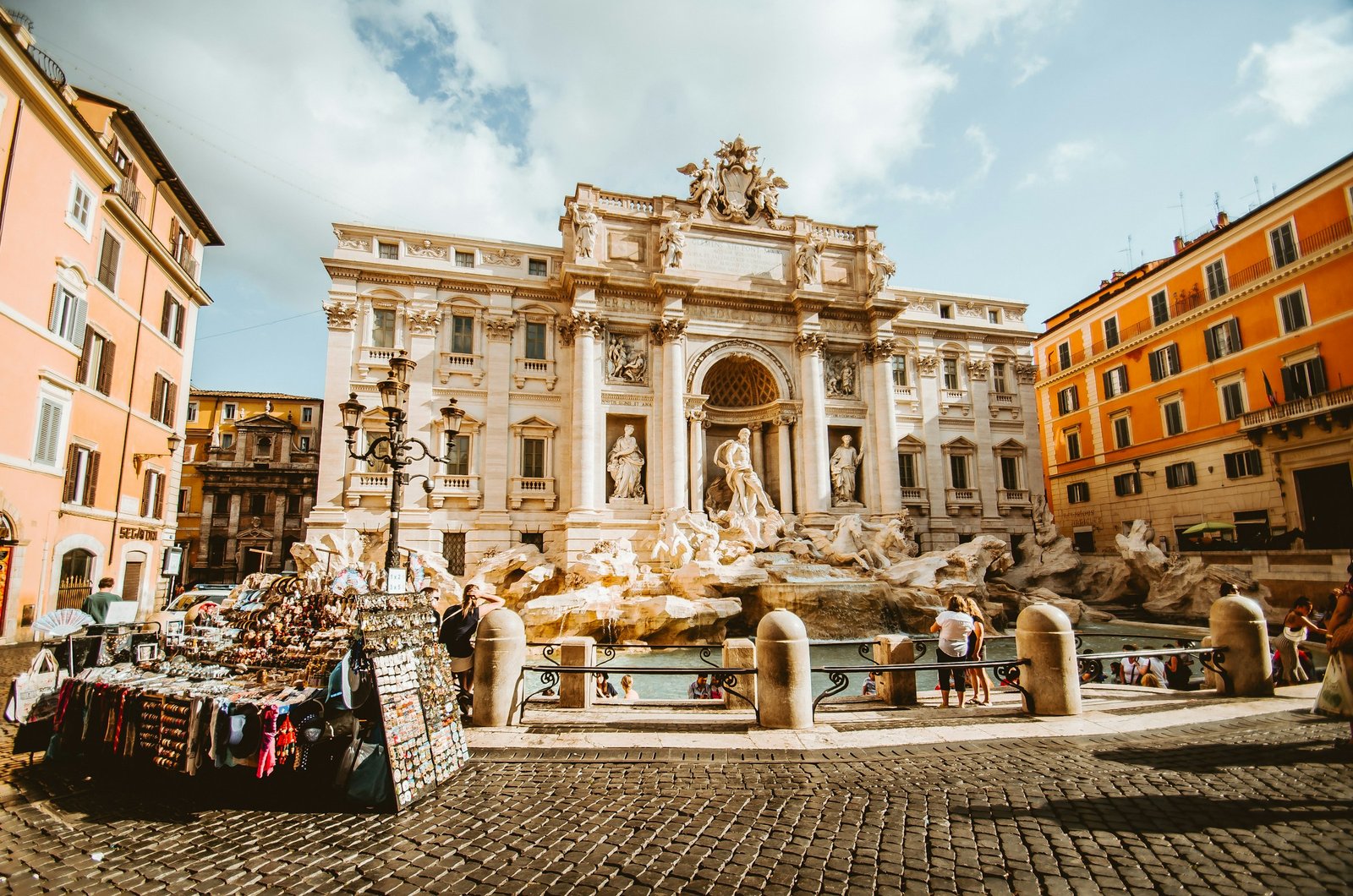
Rome tourist traps have had centuries to perfect themselves, which is part of why they’re so easy to fall for. This page breaks down exactly where they cluster, how they work, and what to do instead.
The Trevi Fountain, the Spanish Steps, trattorias tucked down every side street. In fact, Rome hands you a full itinerary before you’ve even planned one, and most of it earns its reputation. It’s a city where wandering pays off.
Still, a good chunk of what looks classic is really just aimed at first-timers who won’t come back. Rome tourist traps concentrate right around the landmarks everyone photographs, where menus without prices signal trouble and “authentic” restaurants a stone’s throw from the Colosseum rarely are.
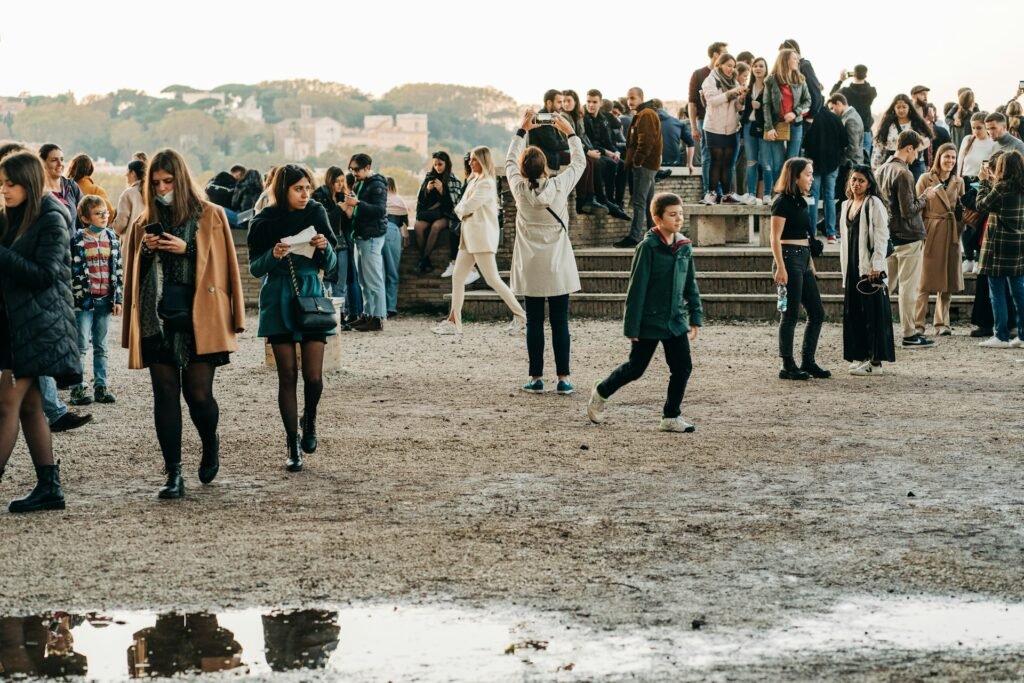
Rome Tourist Traps: Overview
Not everything that disappoints in Rome is a scam, plenty of it is just mediocre, dressed up as unmissable. The following list of Rome Tourist Traps contains the restaurants, tours, and photo-op detours built for turnover rather than substance, and what’s actually worth doing instead. Here’s where they are and why they fall short.
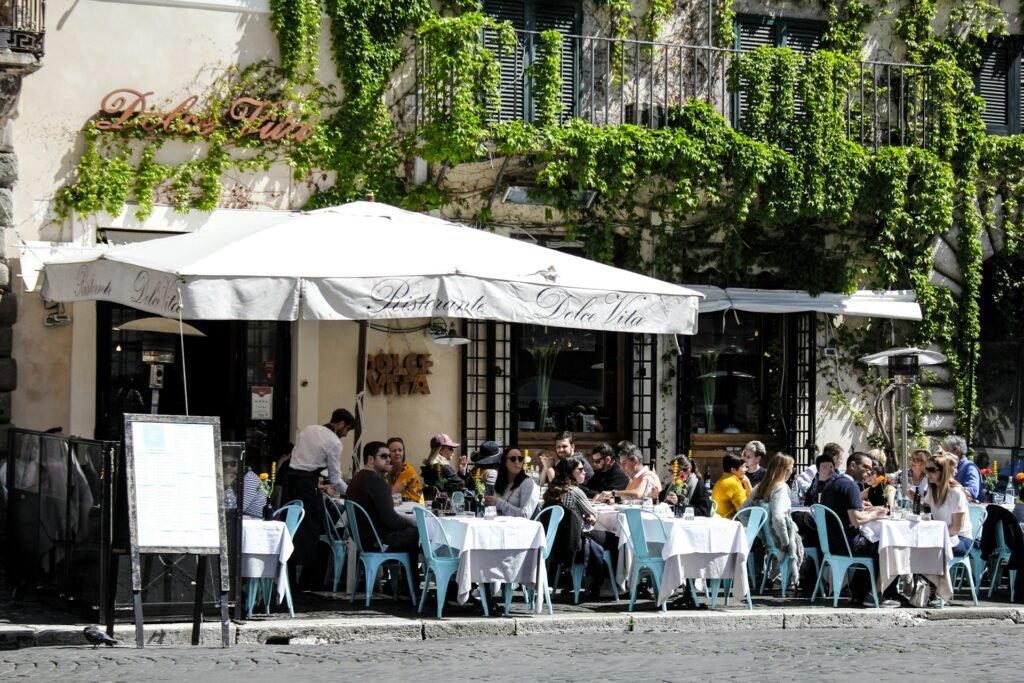
1. Don’t eat at restaurants with no posted prices
Where it happens: Near the Vatican, Trastevere’s entrance, Piazza Navona, or Trevi Fountain
How it works: Inflated bills, added “cover charges” not mentioned upfront.
What to do instead: Walk a few streets away from the landmark, check the menu (including coperto) before sitting, and always ask for the receipt.

2. Don’t get surprised by the Coperto (cover charge)
Where it happens: Tourist-zone restaurants city-wide
How it works: Legal and normal in Italy, but some restaurants stack it with unlisted extras.
What to do instead: Check the menu for the coperto amount before ordering, and review the bill line by line before paying.
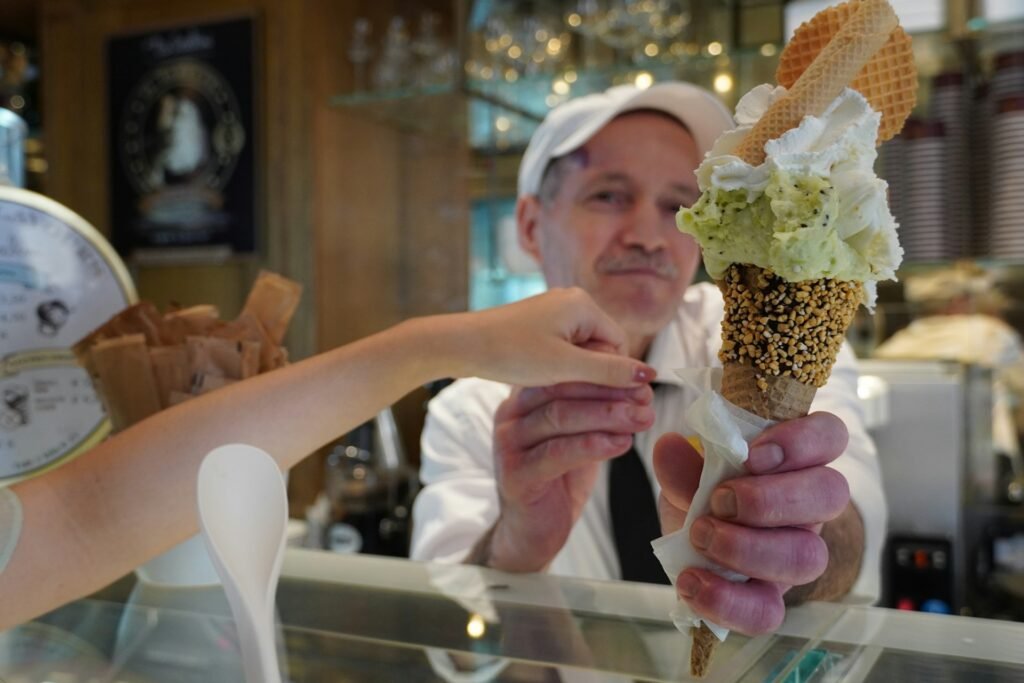
3. Don’t eat neon-colored “artigianale” gelato
Where it happens: Streets around the Colosseum, Trevi Fountain, and Pantheon
How it works: Bright, artificially colored, piled-high gelato is a sign of industrial product marketed as artisanal.
What to do instead: Look for muted, natural colors kept in covered metal tubs, a reliable sign of the real thing.
4. Don’t use the Hop-on-hop-off bus tours
Where it happens: Routes covering major landmarks
How it works: Superficial sightseeing that adds to traffic and skips the actual city
What to do instead: Rome’s metro and bus network, walking, or a small-group guided tour
5. Don’t buy “ancient Roman coins” from street vendors
Where it happens: Around the Colosseum and Roman Forum
How it works: Sold as genuine artifacts; they’re reproductions with no historical value, and exporting real antiquities is illegal anyway
What to do instead: Skip it entirely – there’s no real find here, only a novelty souvenir at best
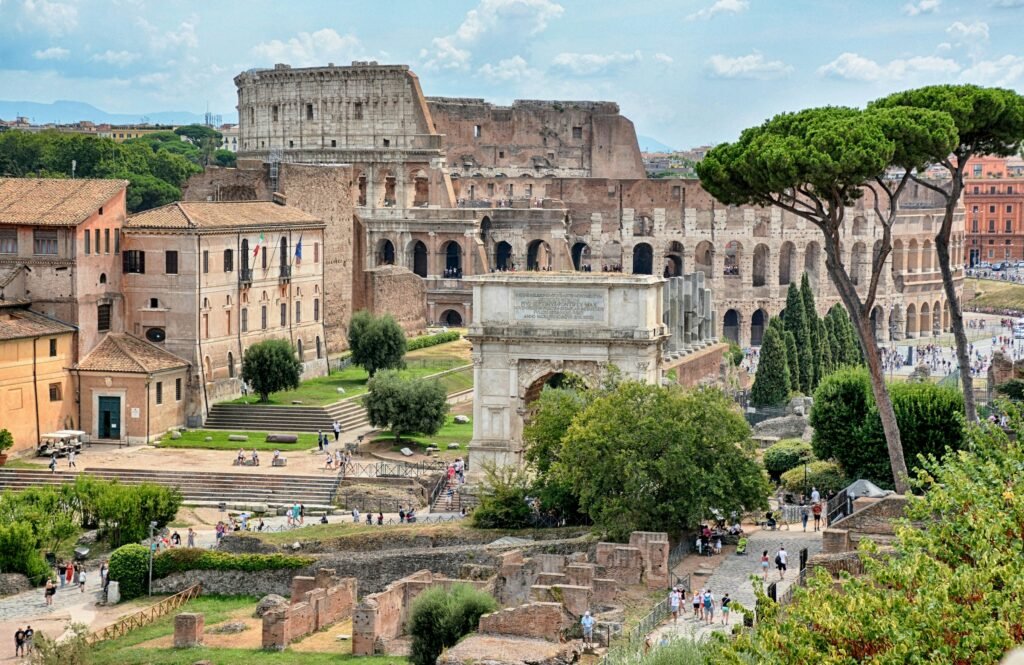
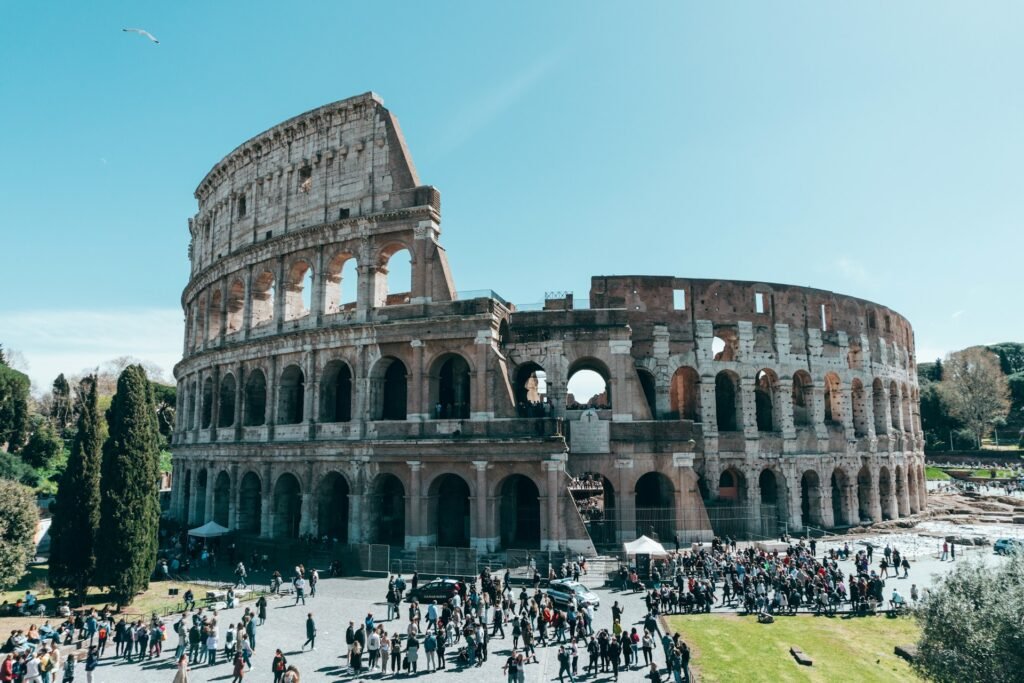
6. Don’t buy Colosseum or Forum tickets from unofficial resellers
Where it happens: Near the entrance queues
How it works: Marked-up or invalid combo tickets sold by unofficial street-vendors
What to do instead: Book the official Colosseum-Forum-Palatine combo ticket online in advance.
7. Don’t rent a scooter or Vespa from an unlicensed operator
Where it happens: Tourist zones near major sights
How it works: Poorly maintained bikes, no insurance, and no recourse if something goes wrong
What to do instead: Rent from a licensed, insured shop with proper documentation
8. Don’t eat only on Trastevere’s main streets
Where it happens: The streets directly off Trastevere’s main piazzas
How it works: The same tourist-menu markup as anywhere else, despite the neighborhood’s authentic reputation
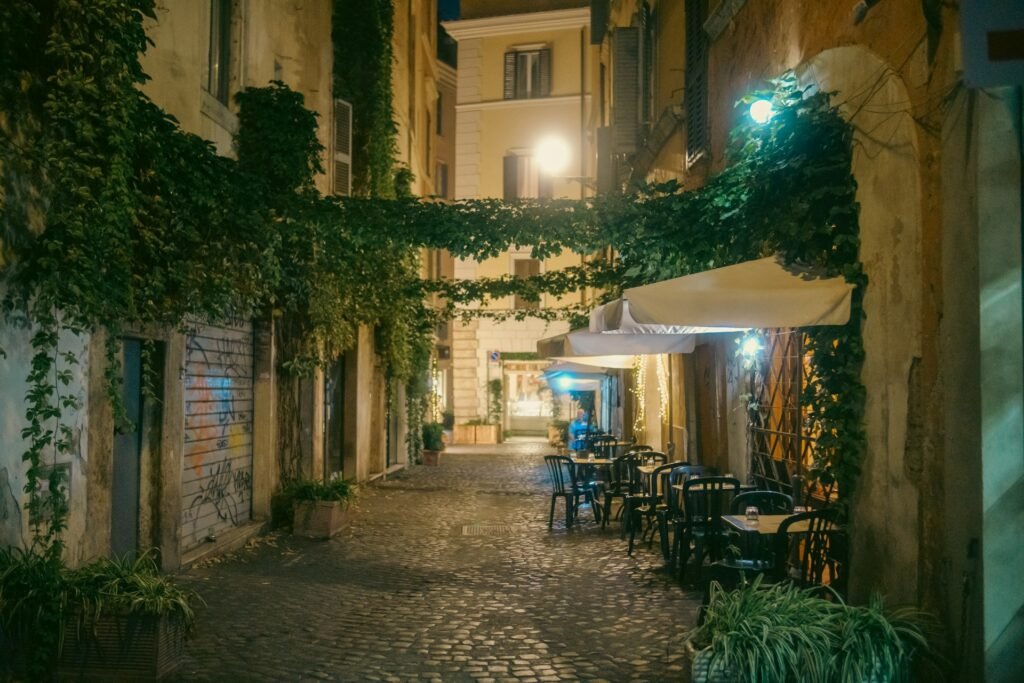
What to do instead: Walk a block or two deeper into Trastevere’s quieter residential streets
Places change hands, tours improve or don’t, and “unmissable” experiences go stale. If something here is out of date, or there’s a trap missing, let us know. This page holds up because people who’ve actually eaten the bad carbonara near the Trevi tell us about it.

Leave a comment