
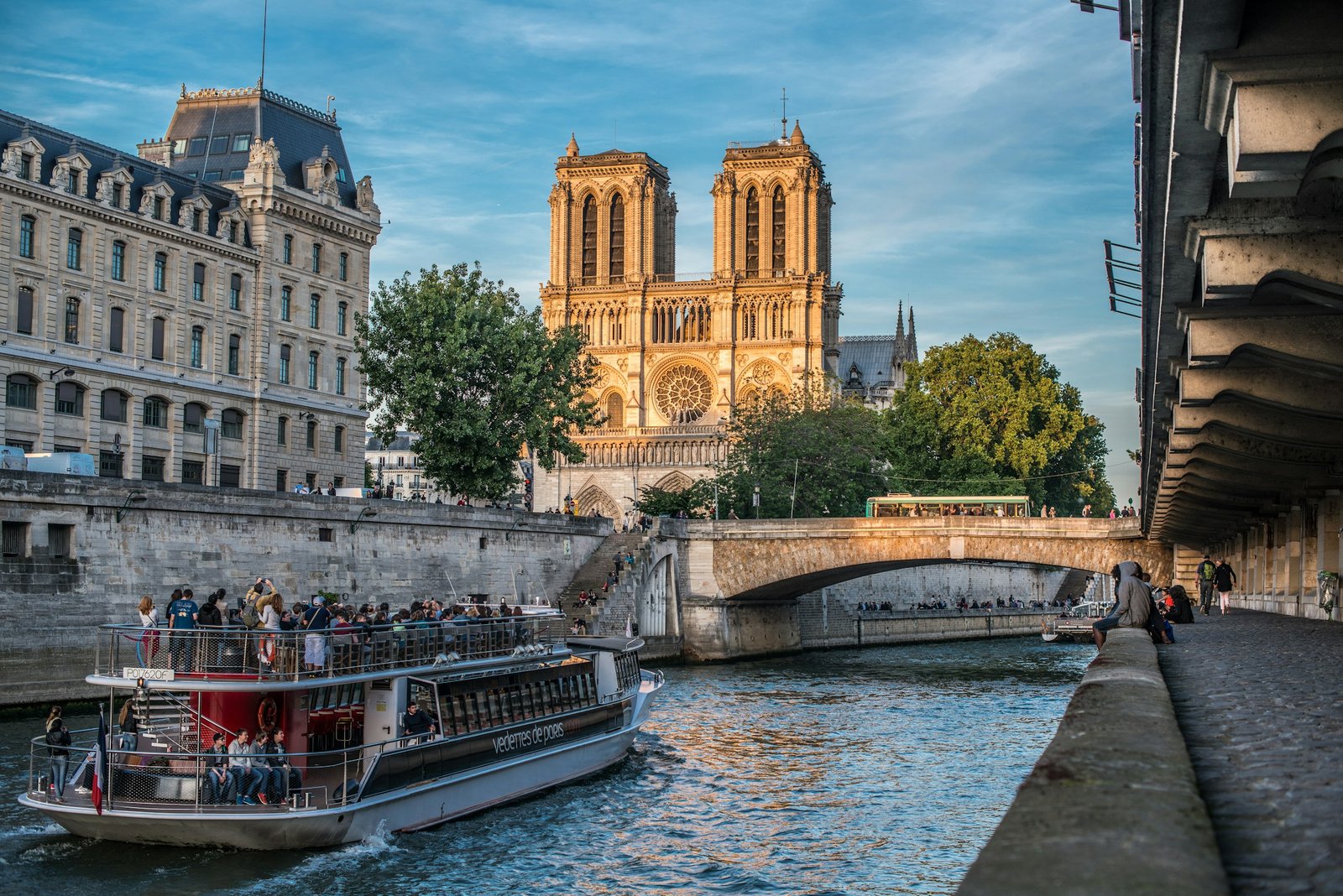
Paris tourist traps tend to hide in plain sight, right next to the landmarks that draw you there in the first place. This page breaks down exactly where they cluster, how they work, and what to do instead.
The Louvre, Montmartre, the café terraces spilling onto every boulevard… Paris gives you enough to fill a week without even trying, and most of what you stumble into really is worth it. It’s a city that rewards just walking.
Except plenty of what looks essential is actually built to catch you, not impress you. Paris tourist traps cluster hardest around the biggest landmarks, where cafés charge triple for a coffee with a view and “skip the line” tours often move slower than the actual line.
Paris Tourist Traps: Overview
Some of Paris’s biggest disappointments aren’t scams – they’re just mediocre experiences dressed up as essential ones. Below you find our list of Paris Tourist Traps: the restaurants, tours, and “must-dos” built for turnover rather than quality, and what’s actually worth your time instead. Here’s where they are and why they don’t deliver.
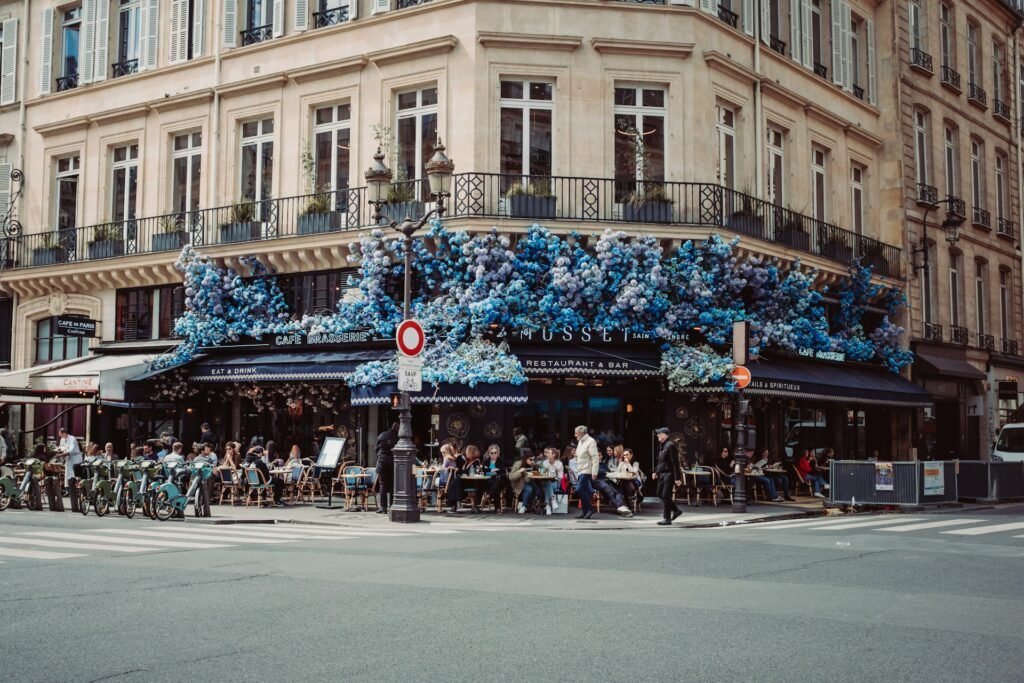
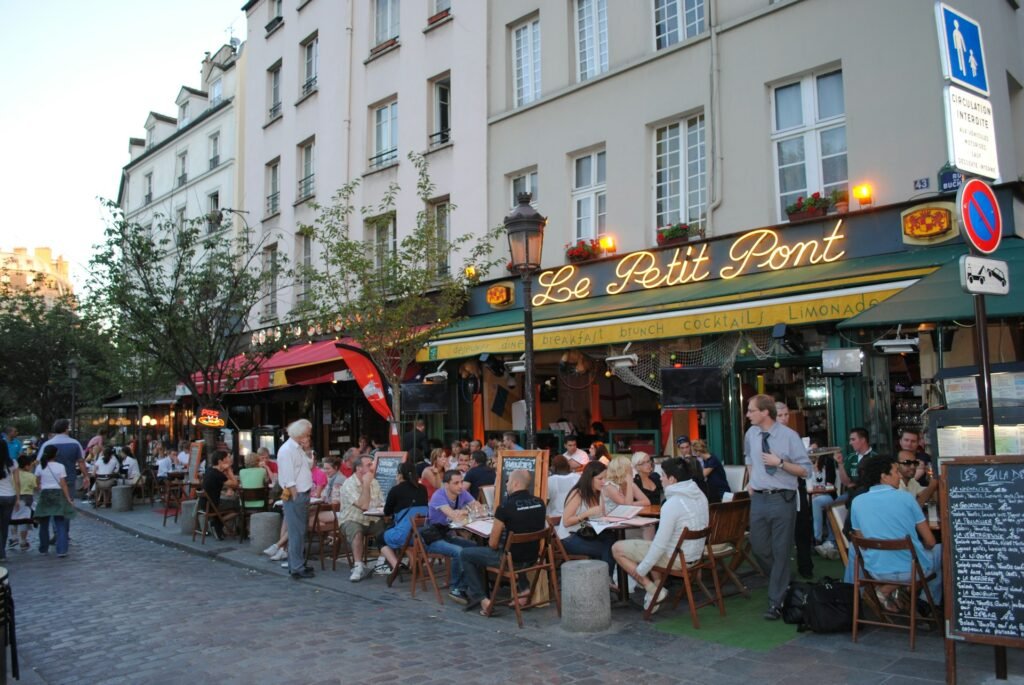
1. Don’t eat at restaurants by the Eiffel Tower, Notre-Dame, or Louvre
Where it happens: Cafés and restaurants within 500m of major landmarks
How it works: Photo menus, no posted prices, overpriced and often pre-made food aimed at quick tourist turnover
What to do instead: Walk one Métro stop away into Le Marais, Canal Saint-Martin, Batignolles, or the 10th/11th arrondissement. Look for a “formule du midi” lunch special.
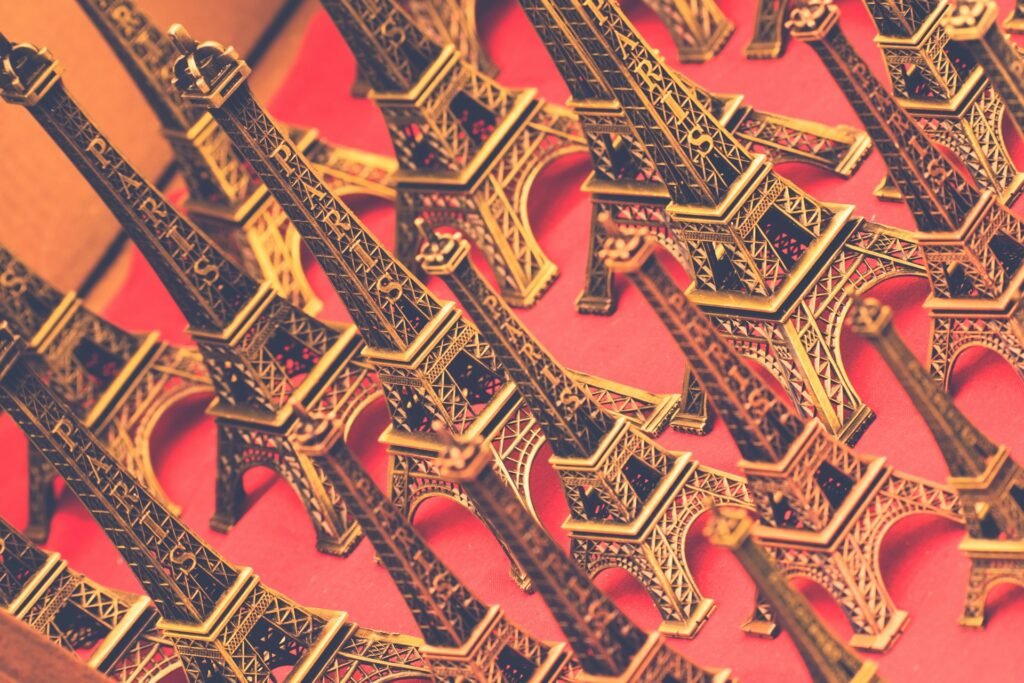
2. Don’t buy souvenirs from street vendors or generic shops near landmarks
Where it happens: Stalls near the Eiffel Tower, Sacré-Cœur, and along the Seine
How it works: Mass-produced items made elsewhere, contributing nothing to local craft or economy
What to do instead: Independent boutiques in Le Marais, Saint-Germain-des-Prés, or Montmartre; concept stores; a “papeterie” for genuine Parisian paper goods.
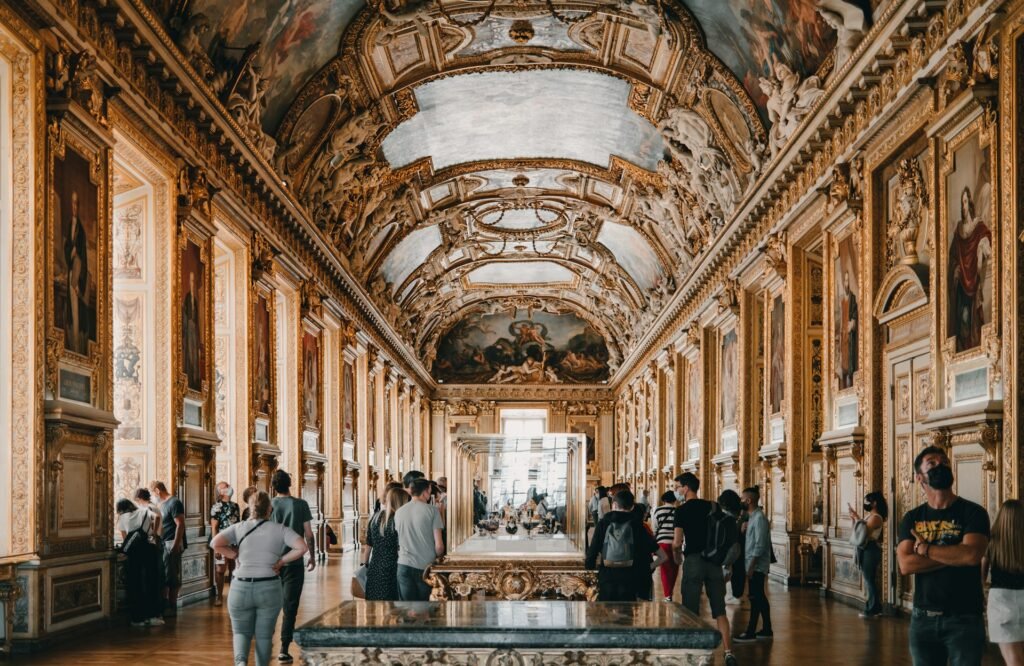
3. Don’t only visit the Louvre and Eiffel Tower, and queue for hours
Where it happens: Both flagship attractions, especially midday
How it works: Immense crowds turn a visit into crowd management rather than genuine appreciation
What to do instead: Book online well ahead or visit off-peak, or choose the Musée d’Orsay, Centre Pompidou, Musée Rodin, or Musée Marmottan Monet, with the Arc de Triomphe or Montparnasse Tower for panoramic views
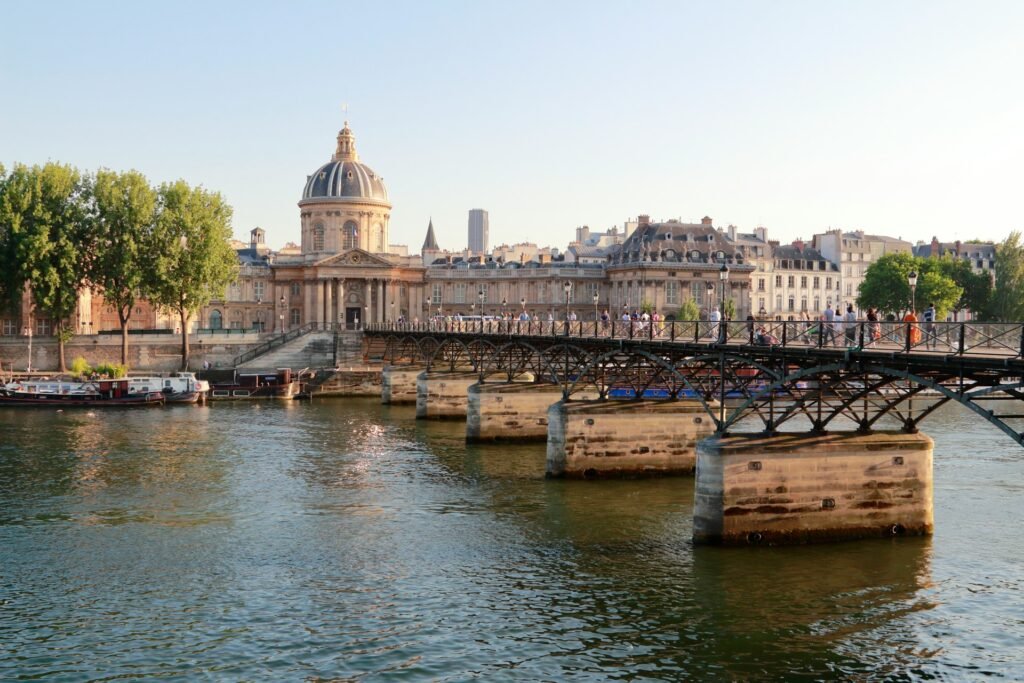
4. Don’t add a “love lock” to Pont des Arts
Where it happens: Pont des Arts and other central bridges
How it works: The accumulated weight has damaged bridge railings; the city actively removes them, and it counts as vandalism
What to do instead: A Seine-side stroll, a picnic on the riverbank, or a river cruise for the romantic photo op instead
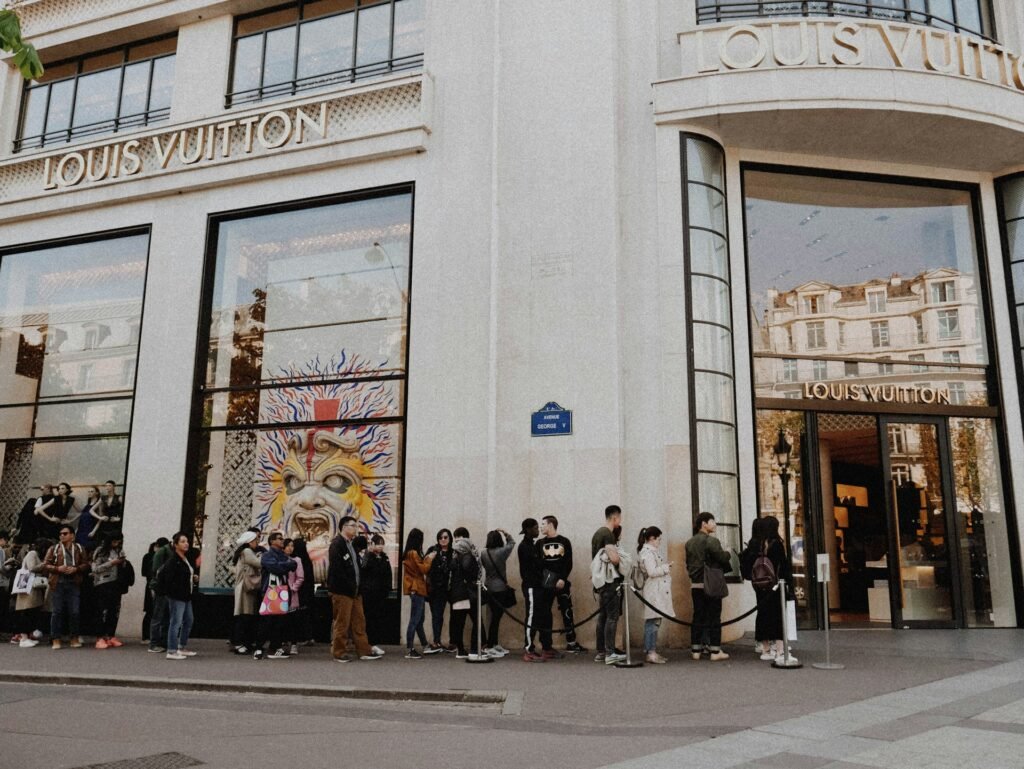
5. Don’t shop only on the Champs-Élysées for luxury goods
Where it happens: The Champs-Élysées
How it works: Overwhelmingly crowded and generic despite the brand names and not where Parisians actually shop for luxury
What to do instead: Rue Saint-Honoré, the historic Galeries Vivienne or Galerie Colbert, or independent boutiques in Le Marais, Saint-Germain-des-Prés, or the 9th arrondissement.
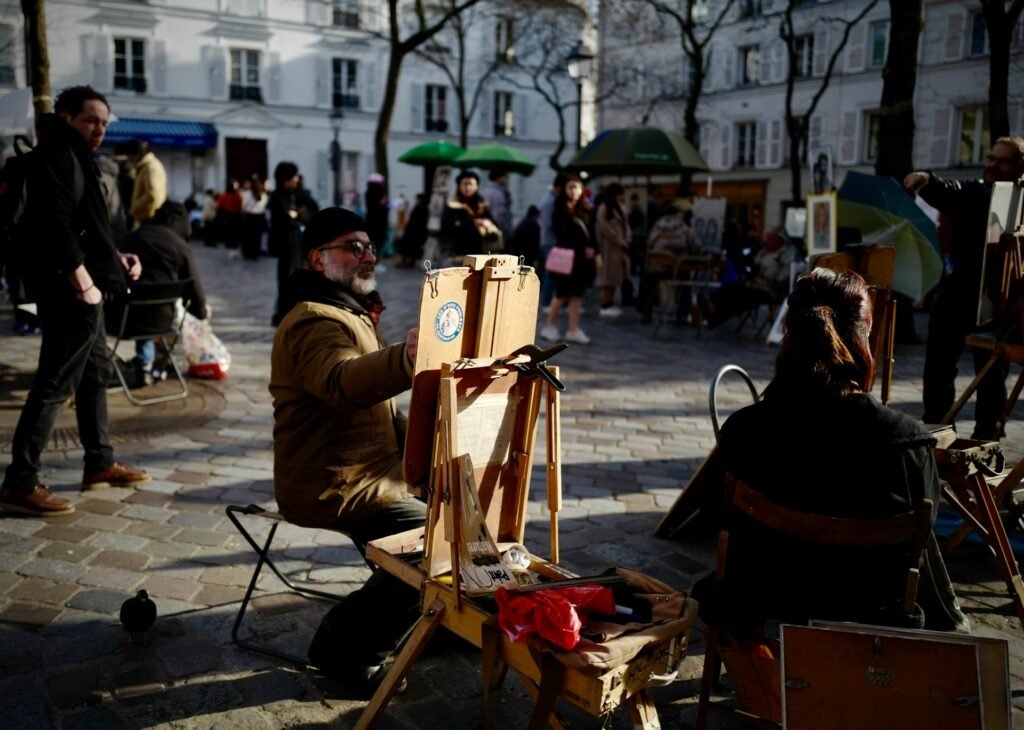
6. Don’t sit for a Montmartre street portrait without settling on the price
Where it happens: Place du Tertre and surrounding streets
How it works: A price agreed verbally, then inflated once the sketch is finished
What to do instead: Confirm the price in writing or from a visible price list before sitting down
7. Don’t stick to touristy pubs and bars near attractions
Where it happens: Areas immediately around major landmarks
How it works: Generic drinks, rowdy tourist crowds, no real Parisian nightlife culture
What to do instead: Traditional cafés-turned-bars, wine bars (“bars à vin”), or nightlife in Oberkampf, Bastille, or Canal Saint-Martin
8. Don’t miss the lesser-known parks and green spaces in Paris
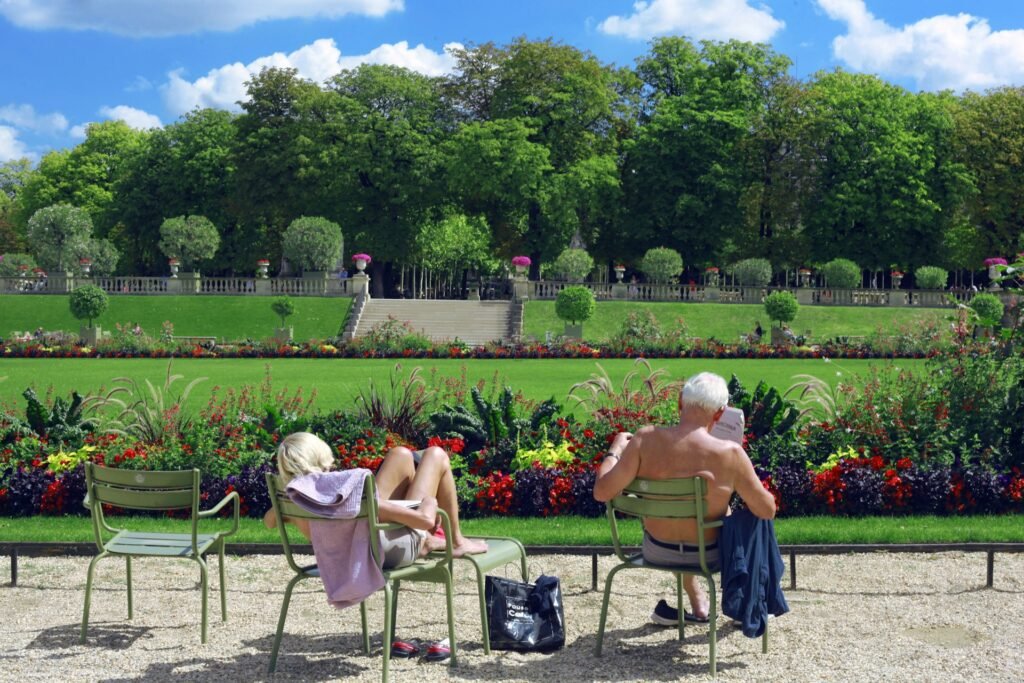
Where it happens: Tourists default to the Tuileries and Luxembourg Gardens
How it works: Both are beautiful but consistently crowded, missing the quieter spots where Parisians actually relax
What to do instead: Parc des Buttes-Chaumont, Parc de la Villette, the Promenade Plantée, or the Jardin des Plantes
9. Don’t treat Montmartre as just Sacré-Cœur and Place du Tertre
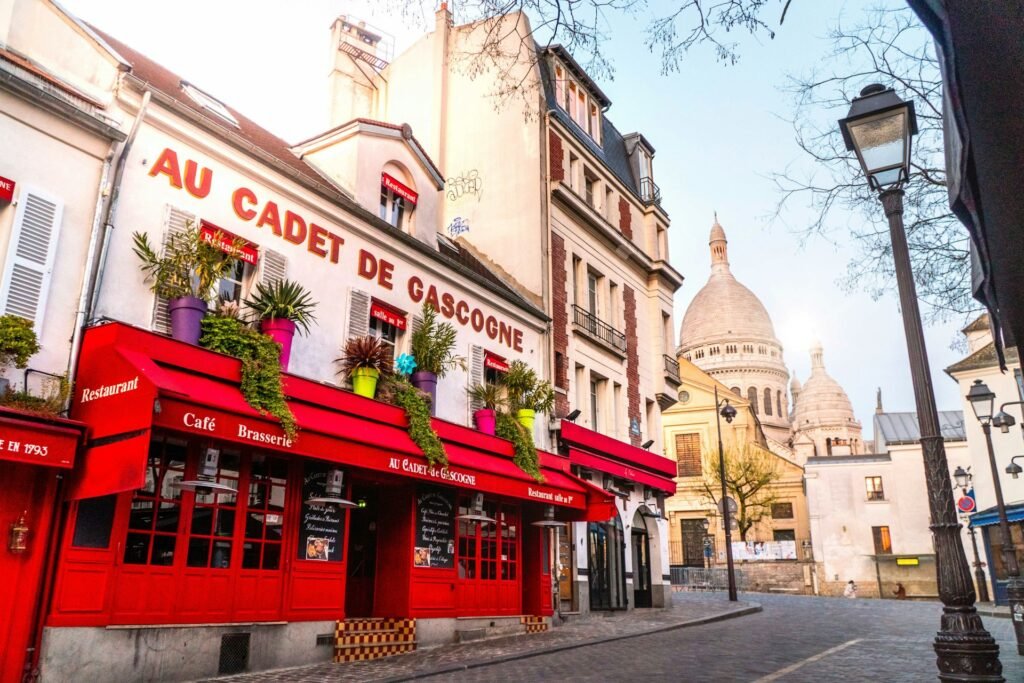
Where it happens: The immediate area around the basilica
How it works: Heavily commercialized, aggressive street artists, souvenir shops – a limited and inauthentic slice of the neighborhood
What to do instead: The quieter residential streets, the Montmartre vineyard, the Musée de Montmartre, or the Abbesses metro area, ideally early morning or evening
Restaurants change owners, tours get better or worse, and “essential” experiences go in and out of fashion. If something here is out of date, or you’ve found a trap worth adding, let us know. This list stays accurate because people who’ve actually sat through the bad prix fixe tell us about it.

Leave a comment